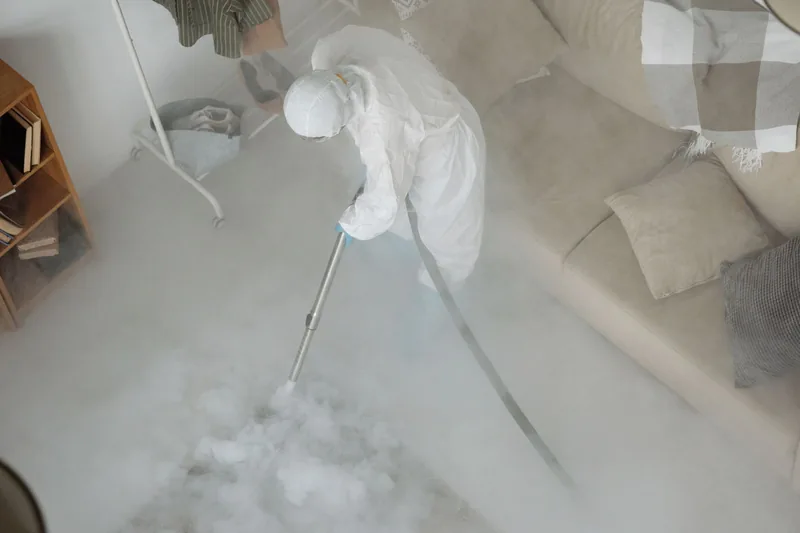
Biohazard Decontamination
Full decontamination of rooms, surfaces and air after infectious or hazardous exposure.
See biohazard decontaminationHave blood, bodily fluids and infectious materials cleared from a home, workplace or vehicle. Cleanup includes containing the affected space, removing contamination, disinfecting it and taking the waste to an appropriate disposal facility.
Biohazard cleanup is a controlled process for taking away potentially harmful biological material, including blood and bodily fluids, and cleaning and disinfecting the area it affected.
A severe hoarding condition, infectious illness, sewage backup, crime scene, injury or death may create biohazard contamination. It can affect vehicles and outdoor spaces as well as hotels, workplaces, apartments and houses. The work protects surrounding areas, traces the entire spread, removes materials that cannot be saved and disinfects the surfaces that remain.
Unlike routine house cleaning, biohazard cleaning uses trained technicians, personal protective equipment and a controlled work area. Products are matched to the contamination, and every EPA-registered disinfectant is given its full labeled contact time. Contaminated waste does not belong loose in household trash. It is packaged, labeled and moved as state rules require.
Before cleanup starts, you learn which areas are involved, what may remain, what needs removal and how the work is planned.
Your personal property is assessed with you whenever conditions make that possible. Important items are separated for cleaning, specialist care or safe return.
Documentation for your insurer and property file may be organized to include photos, invoices, the scope of work and available disposal records.
Cleanup respects the privacy of your situation. Unmarked vehicles and a restricted cleanup zone help crews maintain discretion at your property.
Biohazard cleanup services are appropriate when ordinary cleaning could expose you to bloodborne pathogens, infectious material or contaminated waste. Common situations include:
Crime scene cleaning begins only after the scene is released. It may involve fingerprint powder removal, blood cleanup, disinfection, odor treatment and waste disposal.
Water in a sewage backup is Category 3 black water. Cleanup may include extraction, removal of wet porous materials, cleaning, disinfection and drying.
When home contents contain animal waste, human waste, sharps, spoiled material or similar contamination, hoarding cleanup services may be necessary.
Blood may reach floor joints, grout lines, carpet padding and surrounding items. Treatment covers the affected area completely because a biohazard cleaner examines more than the visible stain.
Your first priority is to prevent contact and keep contamination from spreading. Take these steps while you arrange professional cleanup:
Call (888) 440-9227Published cost guides vary widely because the job can involve a single hard surface or several rooms where fluids were absorbed. Yelp Costs reports a residential average starting at $1,800 and reaching $4,500. Fixr reports $3,000 to $5,000 as the typical national range. Its complete published span runs from $1,500 through $25,000. The contaminated materials and required waste disposal must be identified before anyone can assess the scope.
These national ranges are taken from published cost guides, rather than a property visit. The price for your property is set after the on-site assessment, and you hear it before work starts.
Ask about cost: (888) 440-9227Insurance may cover biohazard cleanup when the cause is included in your policy, but coverage depends on the event, exclusions, limits and deductible.
Ask your insurance company which records it needs. Photos, a defined work scope, invoices and waste documents may help the adjuster evaluate the claim.
Victims of violent crime can ask the Alabama Crime Victims Compensation Commission, which lists crime scene cleanup among its expense categories, whether cleanup costs can be included in a compensation claim. Insurance is usually checked first.
Who is responsible may be determined by local requirements, the cause, lease terms and the event location. Renters and property owners should photograph or document the area, then notify their insurers before relocating items.
Notify the insurance company of the event and ask about coverage for cleanup, damaged building components, personal property and restoration. Keep the claim number and adjuster contact details.
Planning begins with what the contaminant is, which materials came in contact with it and where it could have traveled. The steps control its spread as the space is prepared for safe use again.
Cleanup technicians inspect the affected and surrounding areas, identify porous and non-porous materials, document conditions and explain the proposed scope to you.
The work area is separated from clean rooms. Personal protective equipment is selected for the hazard, with air controls used when particles or smells could move beyond the work area.
Carpet, pad, drywall, insulation, mattresses or unfinished wood that absorbed contamination may be cut out and placed in sealed containers.
Disinfectant must contact the surface to work, so visible material is cleaned away beforehand. The finish determines which method and equipment are used.
The cleaned surface is disinfected with an EPA-registered product and kept wet as long as the product label directs.
Before treating indoor air, workers remove the source material. Room conditions, occupancy and the material left in place guide the possible use of HEPA air scrubbers and additional odor treatments.
Waste receives packaging and labels that match its disposal path. Records can show which waste was taken away and where it went.
The affected space is inspected once cleaning is complete. You receive an explanation of what was cleaned, what was removed and what restoration work may still be needed.
You can call anytime. You speak with a biohazard cleanup specialist who outlines the process and schedules a start time with you.
A fast wipe may not make biohazard contamination safe. You could encounter infectious material, hidden spread below the surface or objects capable of causing punctures.
Blood can potentially contain HIV, hepatitis C or hepatitis B. According to the CDC, hepatitis B remains viable on surfaces for at least seven days, which means dry blood must still be cleaned and disinfected carefully.
Contamination can travel below trim, through carpeting, into subfloor gaps and behind wall finishes. What you can see may not reveal the full affected area.
A person may find cleaning after death, major injury or suicide profoundly upsetting. While workers using protective equipment finish cleaning, you can avoid seeing the scene.
Can you clean it yourself? When only a tiny amount reaches sealed, non-porous material, put on single-use gloves and use an EPA-registered disinfectant for the label's complete contact period. You should not clean when you cannot identify the entire affected area, sharp objects are present, or bodily fluid reached drywall, furniture, carpeting or wood.
A non-porous item can often remain if all contaminated parts can be reached for treatment. Porous material must come out when absorbed fluid is too deep to clean and disinfect completely.
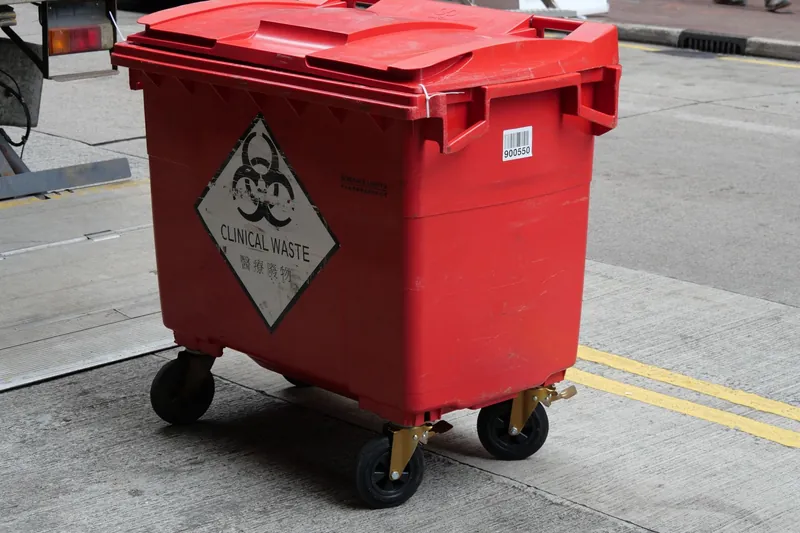
Under the OSHA Bloodborne Pathogens Standard, 29 CFR 1910.1030, potential blood exposure requires protective equipment, exposure controls, training and related work procedures.
A disinfectant must be suitable for the target organism and surface. You must follow the product label for mixing, initial cleaning, safety precautions and full contact time.
Alabama treats soaked materials from a biohazard scene as medical waste when they are saturated to the point of dripping blood. The Alabama Department of Environmental Management's rules control packing, transport and treatment, so it cannot go in household trash.
Alabama uses a county coroner system, with no statewide medical examiner, and the Alabama Department of Forensic Sciences performs autopsies and supports death investigations for coroners. Cleanup starts after police or the coroner release the scene.
The area size, material types and depth of contamination determine the time required. Cleaning a small hard-surface area can take a single work visit, but structural removal, several affected rooms or odor that persists may mean repeated visits followed by restoration.
The full biohazard cleanup guide covers what is cleaned or removed, odor and air quality work, and the rules that apply in your state.
Read the full biohazard cleanup guideLocal population patterns, housing and site access may affect how containment and cleanup are planned.
The approximately 0.4 mile trip to University of Alabama Hospital matters when an injury must be assessed before anyone returns to the affected space.
Connections to Morris Avenue-First Avenue North Historic District, Fourth Avenue Historic District, and Highland Avenue Historic District make a precise address important for coordinating cleanup access without unnecessary neighborhood attention.
Neighborhood level directions help narrow the location, but crews still need entrance details before bringing containment and cleaning equipment inside.
Your phone conversation can include questions about service in nearby ZIP codes and communities.
Full decontamination of rooms, surfaces and air after infectious or hazardous exposure.
See biohazard decontamination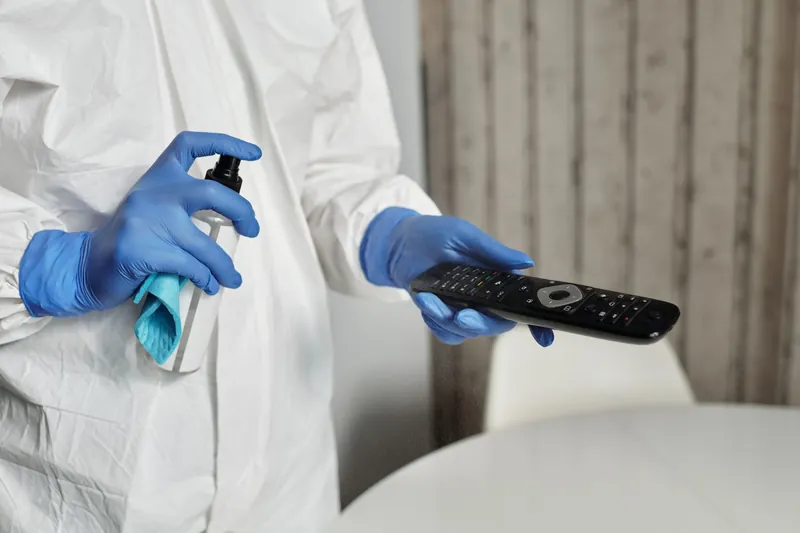
A contaminated space is restored to safe use through biological remediation and contaminant removal.
See biohazard remediation
Carpet, solid floors, walls and furnishings receive blood cleanup that includes safe disposal.
See blood cleanup
When a death remains undiscovered for days, cleanup addresses decomposition and controls odors.
See unattended death cleanup
Following accidents, violence or injuries, trauma scene cleanup addresses the affected area.
See trauma scene cleanup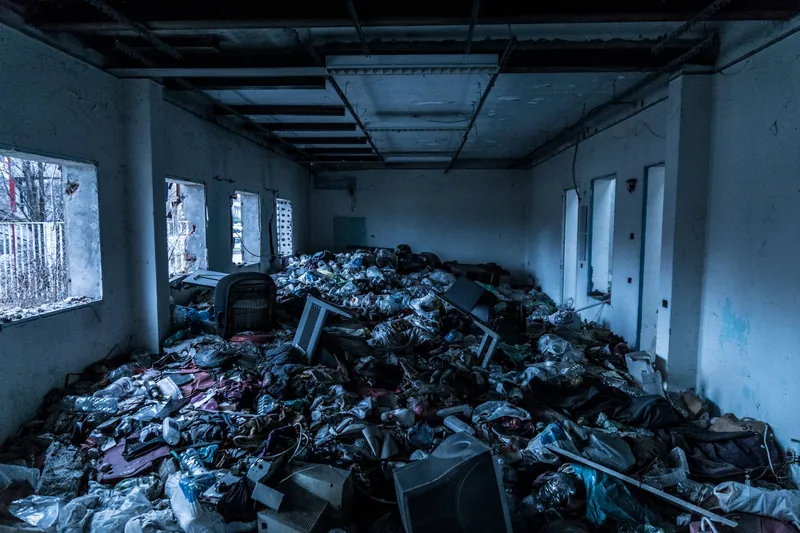
Respectful sorting, item removal and deep cleaning are included in hoarding cleanup.
See hoarding cleanup
Raw sewage cleanup of Category 3 black water, with disinfection and drying.
See raw sewage cleanup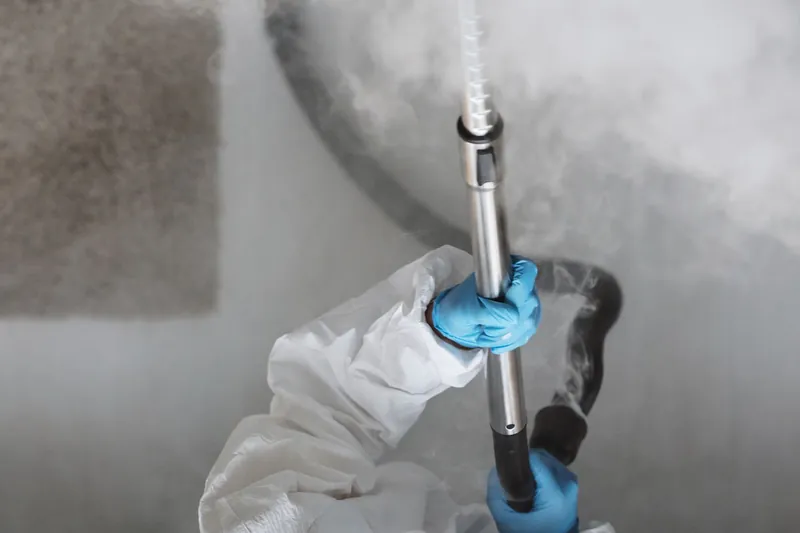
Infectious disease disinfection with EPA-registered products and full surface coverage.
See infectious disease disinfectionAvailable cost figures cover a broad range because materials, area and depth vary by job. Fixr lists a typical national range of $3,000 to $5,000. An average residential range from Yelp Costs is $1,800 to $4,500. Identifying absorbent materials, disposal volume and necessary odor work requires an assessment at the property.
A funeral home or medical examiner takes the deceased, while cleaning the property remains a separate task. Following scene release, a landlord, family member, owner or another responsible person must arrange death cleanup. While a biohazard cleaning company addresses odor, disposal, contaminated materials and bodily fluids, loved ones can remain outside the affected room.
Cleaning and disinfection may be possible for sealed hard furnishings when the entire affected surface is reachable. Upholstered furniture may need removal if blood or bodily fluids reached the padding or frame. When conditions permit, you help assess important possessions so items suitable for washing or restoration are kept apart from contaminated material.
Biological substances may be biohazards when they pose a threat to human health. Examples found on properties can include sewage, used needles, human waste, blood, bodily fluids and items contaminated through particular infectious illness exposures. The type of material, extent of spread and contact with absorbent surfaces determine the risk.
Biohazard cleaning is a controlled process for removing visible contamination, taking out materials that cannot be disinfected, cleaning remaining surfaces and applying a suitable disinfectant for its full contact time. It also involves safe waste packaging and disposal, as well as odor treatment where the source affected absorbent materials or air quality.
How long cleanup takes is affected by surface materials, room count and the extent of fluid travel. A small hard-surface job may be completed in one work visit. When the work includes several rooms, carpeting, drywall, subfloor or lasting odor, cleanup may extend across multiple visits. Restoring finishes that were taken out occurs after cleanup and can have a different schedule.
Respectful, discreet biohazard cleanup is available 24 hours a day, and crews arrive in unmarked vehicles.